

What Types of Activities Are Common in Assisted Living Communities?
Assisted living communities in Duryea, PA typically provide a mix of structured group activities and informal opportunities for recreation. Residents ask about available activities because staying active supports both emotional and physical well-being. In general, most communities focus on programs that encourage social connection, gentle physical activity, and personal enjoyment.
Some common types of activities include:
- Social gatherings like coffee clubs, group games (bingo, card games, trivia), and birthday celebrations
- Exercise opportunities adapted for different ability levels, such as chair yoga or walking groups
- Creative arts and crafts sessions, including painting and knitting
- Music appreciation, sing-alongs, and live performances when possible
- Group discussions, book clubs, and reminiscence groups
- Movie afternoons, puzzles, and board games for relaxation
Regularly changing schedules or seasonal themes are common so programming stays fresh and engaging for residents.
How Are Activities Adapted for Different Needs and Abilities?
Staff in Duryea’s assisted living communities typically design activities to be inclusive, recognizing that residents have diverse physical and cognitive abilities. Programs are offered with flexibility in mind so everyone can participate in some way.
- Gentle fitness offerings are available for those with limited mobility.
- Sensory activities or small group settings help residents with cognitive changes.
- Visual or tactile projects can provide a sense of accomplishment for those who may tire easily.
Residents are usually encouraged to join what feels comfortable, and accommodations—like offering extra seating, using large-print materials, or providing quiet rooms—help more people take part.
Are There Ways to Stay Connected with the Local Community?
Many older adults in Duryea appreciate activities that maintain their connection to the area’s life and traditions. Assisted living communities understand this and work to include locally relevant programs.
Examples may include:
- Inviting local performers, historians, or speakers for talks or concerts
- Seasonal crafts and decorations reflecting local customs, like winter-themed art or spring planting
- Arranging small trips to local parks, museums, or farmers’ markets (when transportation and health guidelines allow)
- Organizing group projects to support nearby causes, such as assembling care packages or making blankets for neighbors in need
Such approaches help residents maintain ties to the broader community, reinforcing a sense of belonging.
Can Residents Suggest Activities or Form Their Own Groups?
Residents in Duryea’s assisted living settings are often welcome to suggest new activities or help organize small interest groups. Many communities hold regular meetings where residents can share ideas or feedback about the calendar. Some allow residents to lead groups, such as knitting circles, shared reading discussions, or gardening clubs.
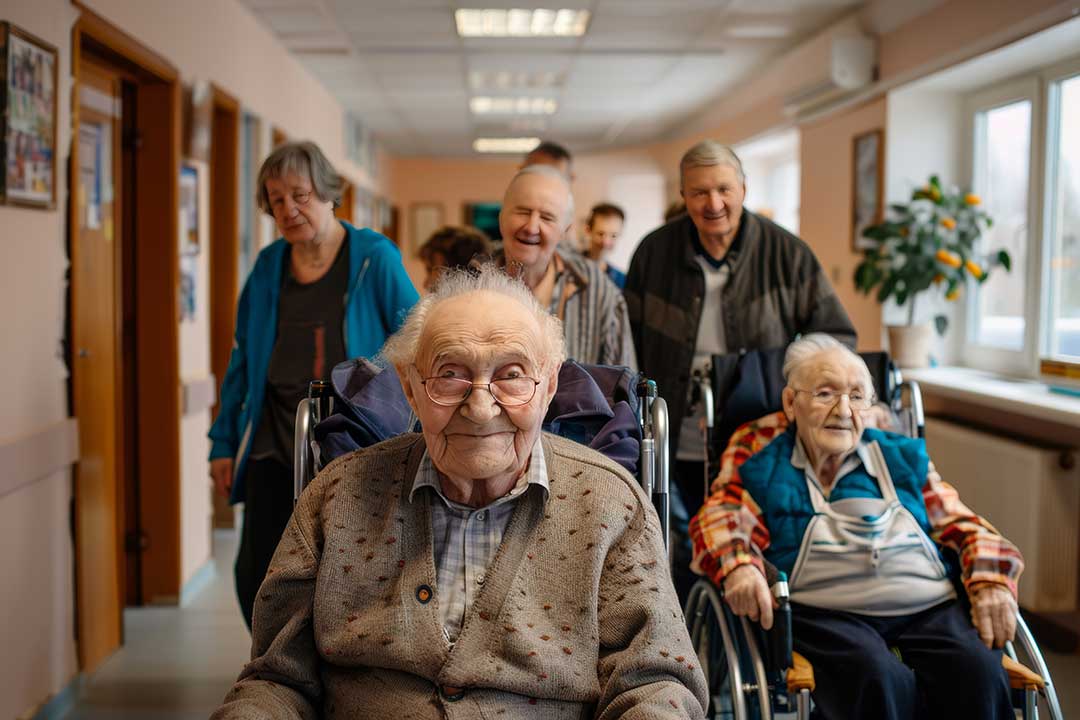
This not only encourages participation but also empowers those who want to share skills and experiences from their own lives.
What Outdoor Recreation Is Available?
Access to the outdoors is valued, especially in a climate like Duryea’s with varied seasons. While winters may limit some activities, spring through fall offers opportunities for outdoor recreation within secure walking paths, courtyards, or gardens.
Possible outdoor options include:
- Gardening projects
- Birdwatching or sitting areas for relaxation
- Walking groups on safe, level paths
- Outdoor games such as lawn bowling or bean bag toss
Outdoor heaters, shaded areas, and adaptive equipment allow more residents to enjoy fresh air, even if mobility is limited.
How Do Residents Stay Safe While Participating?
Safety is a major focus in all activities. Staff are trained to adapt activities for people’s abilities and monitor for fatigue or potential hazards. In group exercise or outings, supervision and accessibility aids—like walkers or supportive seating—are provided as necessary.
When planning events off-site, organizers ensure transportation vehicles are accessible, and all involved understand local weather considerations and the importance of hydration or warm layers as appropriate for the season.
What if Someone Prefers Quiet or Independent Activities?
Not everyone enjoys large group gatherings, and assisted living communities respect this. Many provide nooks for reading, puzzles, or solo activities like drawing. Rooms often have materials—books, games, or art supplies—available for personal use. Staff check in regularly to ensure that even more private residents feel included and have access to activities they might enjoy.
Are Activity Schedules Regular, and How Are They Communicated?
Schedules are typically posted in common areas and shared with residents on a weekly or monthly basis. Printed copies or digital screens help everyone keep track of what is planned. For those with memory concerns, reminders from staff or postings in living quarters help ensure participation. Programming is usually consistent; however, adjustments are made to accommodate local events, holidays, or residents’ interests.
What Are Some Common Misconceptions?
Some new residents worry that activities might feel childish or medically focused, but most programs are adult-oriented and based on residents’ interests. The intent is to nurture hobbies and social connections, not impose routines. Another misconception is that only group activities are offered; in reality, residents can choose solitary pastimes as well. People sometimes expect little flexibility, yet most communities readily listen to feedback and adapt to preferences over time.
