
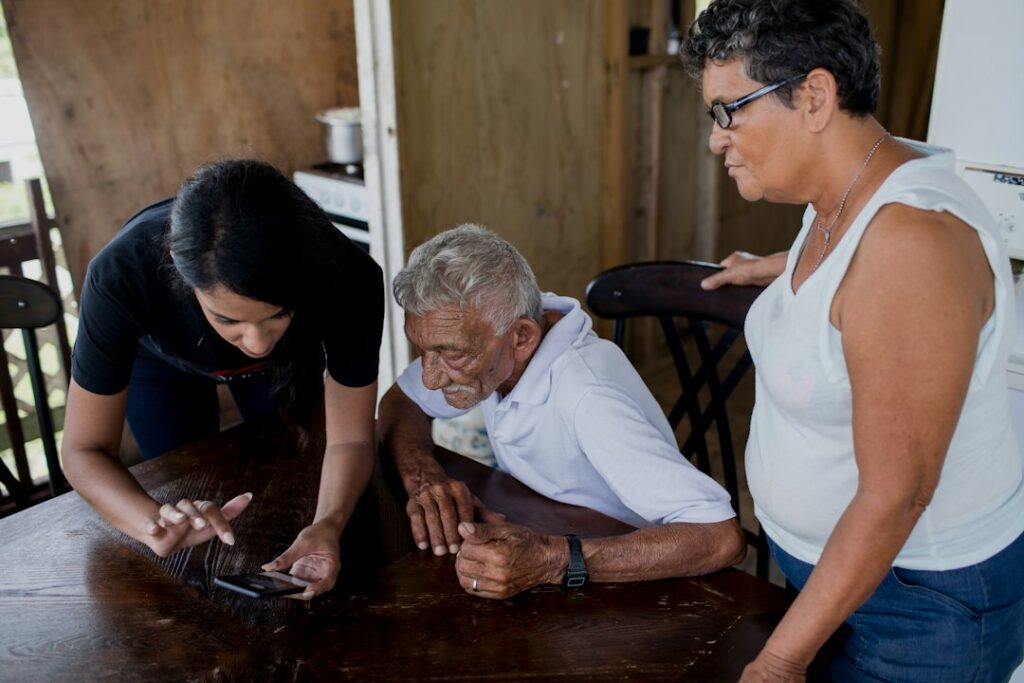
For families in Duryea, PA, staying connected with a loved one in assisted living often requires more than occasional visits. Regular contact can support emotional well-being, reduce loneliness, and help family members notice changes in mood, health, or daily routines.
Connection does not have to mean long visits or complicated technology. Consistent, familiar contact is usually more meaningful than occasional large gatherings.
How often should family members visit?
There is no single schedule that works for every resident, but predictable visits are often easier to remember and anticipate. A short weekly visit may be more comforting than a lengthy visit that happens only every few months.
Families can consider:
- Choosing a regular day and time
- Keeping visits shorter if the resident tires easily
- Visiting during the resident’s most alert part of the day
- Allowing quiet time instead of filling every minute with conversation
- Writing the schedule on a calendar in the resident’s room
Weather and seasonal conditions may affect travel in northeastern Pennsylvania, especially during winter snow, icy conditions, or periods of heavy rain. When an in-person visit is not practical, a phone call, letter, or video visit can help maintain the routine.
What can families do if they live far away?
Distance does not prevent meaningful involvement. A family member who cannot visit regularly can take part through scheduled calls, mailed notes, shared photographs, or brief video conversations.
A reliable routine is often more useful than an occasional unexpected call. For example, a resident may look forward to a Sunday afternoon conversation or a short evening check-in several times each week.
Long-distance family members can also participate by:
- Sending printed family photographs with names and dates written on the back
- Mailing cards, drawings, or letters
- Sharing familiar music, audiobooks, or recorded messages
- Joining care-plan discussions when appropriate
- Asking staff about activities the resident enjoys
- Celebrating birthdays and holidays through coordinated calls or visits
Some residents may find video calls confusing or tiring. A regular telephone call may be easier, particularly for someone with hearing, vision, or memory difficulties.
How can visits be more comfortable for an older adult?
The best visit is usually one that matches the resident’s energy, interests, and abilities. Conversation is only one option. Sitting together, looking through photographs, listening to music, folding towels, or taking a supervised walk may feel more natural than asking many questions.
Helpful conversation starters include:
- “What has been the best part of your day?”
- “Would you like to look at these pictures?”
- “What did you enjoy doing this week?”
- “Would you like company while you have a snack?”
- “Is there anything you would like me to bring next time?”
Avoid turning every visit into an interview about symptoms, meals, or complaints. Those subjects may need attention, but a visit should also include ordinary family conversation and shared enjoyment.
If the resident becomes tired, irritated, or quiet, the visit may need to end or shift to a calmer activity. A shorter positive visit is often preferable to staying until the resident feels overwhelmed.
What if the resident has memory loss or dementia?
Memory loss can change how connection looks, but it does not eliminate the need for affection and familiarity. A resident may forget a visitor’s name while still recognizing a comforting voice, facial expression, song, or touch.
Family members can help by:
- Introducing themselves gently without testing the resident
- Using simple sentences and one question at a time
- Avoiding arguments about dates, events, or mistaken beliefs
- Focusing on familiar feelings rather than correcting every detail
- Bringing objects connected to the resident’s past
- Repeating reassuring phrases when needed
If the resident asks the same question repeatedly, responding calmly may be more effective than explaining that the answer was already given. Familiar routines, photographs, and sensory experiences can provide connection even when detailed conversation becomes difficult.
Touch should always be respectful and responsive to the resident’s comfort. Holding hands, offering a hug, or sitting nearby may be welcome, but family members should pay attention to body language and signs of discomfort.
How can family members stay involved between visits?
Staying connected includes knowing what daily life is like, not only making social visits. Family members can ask about activity preferences, meal routines, sleep patterns, and changes in communication.

It may help to keep a simple record of:
- Topics the resident enjoys discussing
- Favorite foods and activities
- People the resident asks about
- Times of day when the resident is most engaged
- Signs of fatigue, sadness, confusion, or discomfort
Family members should share meaningful changes with the appropriate assisted living staff, especially if the resident seems noticeably different from usual. A sudden change in mood, alertness, eating, walking, or communication may require prompt attention.
Privacy also matters. The resident should have a voice in deciding which relatives receive updates and how involved others should be. Family members may need to discuss communication preferences directly with the resident and follow the community’s privacy procedures.
What role can children and grandchildren play?
Children and grandchildren can remain involved when visits are adapted to their ages and the resident’s abilities. Young visitors may do better with a short activity than with an extended conversation.
Ideas include:
- Drawing pictures
- Reading a familiar story
- Looking at family photographs
- Playing a simple card or board game
- Sharing school news
- Bringing seasonal crafts
- Listening to music together
Before a visit, children can be told that the resident may repeat questions, speak slowly, or need a quiet break. This preparation can reduce confusion and help children understand that a different response does not mean the resident is uninterested.
Pets may also be meaningful, but visits involving animals should follow the assisted living setting’s rules and consider allergies, fear, hygiene, and the animal’s temperament.
What should families do around holidays and special events?
Holidays can be joyful but also exhausting. Crowded rooms, unfamiliar routines, loud conversations, and long travel days may cause stress for some residents.
A quieter celebration may work better than a large gathering. Families can divide visits into smaller groups, keep familiar traditions, and bring only a few meaningful decorations or foods. If the resident cannot attend a family event, relatives can bring photographs, share a recorded message, or arrange a private celebration at another time.
Winter weather can also disrupt travel from Duryea, so families may want a backup plan for missed visits. A phone call, handwritten note, or staff-supported activity can help preserve the sense of connection until travel is safe.
How can families avoid making the resident feel forgotten?
Consistency, respect, and follow-through are central. If a visit must be canceled, letting the resident know and arranging another form of contact can prevent unnecessary disappointment.
Family members should also avoid making promises that may be difficult to keep. A dependable short call is better than promising frequent visits that do not happen.
Most residents benefit from being included in everyday family life. Sharing ordinary updates about grandchildren, household activities, recipes, photographs, and upcoming plans can help a person feel remembered and involved rather than separated from family life.
Connection is maintained through repeated small moments: a familiar voice, a photograph, a regular visit, or a quiet hour spent together. These actions can remain meaningful even when a resident’s memory, mobility, or communication changes.
