
Assisted living amenities should support safety, independence, comfort, and daily routine—not simply make a community look attractive. For residents and families in Duryea, PA, the most useful amenities are those that fit an individual’s health needs, mobility, interests, budget, and preferred way of living.
Which amenities matter most in assisted living?
The most important amenities are reliable meals, safe mobility features, appropriate personal-care support, transportation, medication assistance, social opportunities, and comfortable shared spaces. Their value depends on how consistently they are available and whether they match a resident’s actual needs.
A community may advertise a beauty area, library, garden, or lounge, but those features should be considered alongside practical services such as:
- Emergency response systems
- Accessible bathrooms and bathing areas
- Staff availability during evenings and overnight hours
- Housekeeping and laundry assistance
- Medication reminders or administration
- Nutritious meals and accommodations for dietary needs
- Transportation for medical visits and essential errands
- Secure outdoor areas and safe walking paths
- Activities that reflect residents’ interests and abilities
The right question is not “How many amenities are offered?” but “Which amenities will make daily life safer, easier, and more meaningful?”
How do dining amenities affect daily life?
Dining is more than a convenience. Meals provide structure, social contact, and an opportunity to support nutrition and hydration.
Ask how often meals and snacks are served, whether menus change regularly, and how dietary needs are handled. Residents may need softer foods, lower-sodium choices, diabetic-friendly meals, allergy accommodations, or assistance with eating. It is also useful to learn whether residents can choose between menu options and whether food is available outside standard dining hours.
Families should observe the dining room if possible. Look for:
- Adequate space between tables
- Comfortable seating
- Good lighting
- Staff who respond promptly
- A calm atmosphere without unnecessary noise
- Menus that appear understandable and varied
For older adults living through northeastern Pennsylvania winters, dependable meal service can be especially valuable when travel and outdoor errands become more difficult.
What safety and accessibility features should be included?
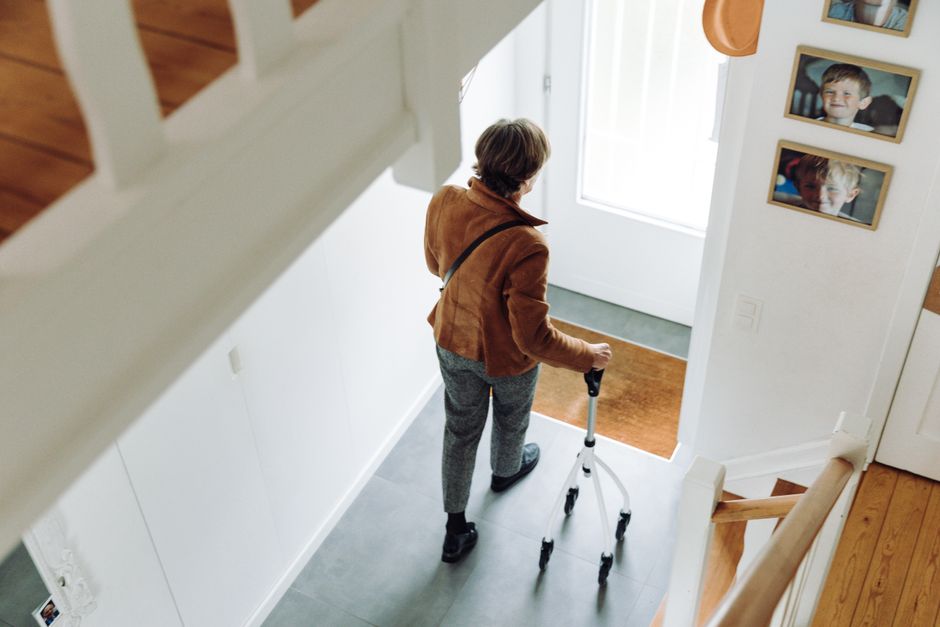
Safety amenities should reduce preventable risks without making residents feel restricted. Look for handrails, non-slip flooring, adequate lighting, accessible entrances, elevators when needed, and bathrooms that allow safe movement with a walker or wheelchair.
Bathrooms deserve close attention. Helpful features may include grab bars, walk-in showers, shower seating, handheld shower controls, raised toilet seats, and emergency pull cords or response devices. Bedroom layouts should leave enough room for mobility equipment and allow staff to assist without moving furniture.
Ask how emergency response works. A pendant, wall button, or other alert system is useful only if residents can reach it and staff respond promptly. Families should also ask about procedures for falls, severe weather, power interruptions, medical emergencies, and residents who may wander or become confused.
A secure outdoor area can be an important amenity for residents who enjoy fresh air but cannot safely walk near traffic or uneven ground. Covered seating, level paths, shaded areas, and seasonal maintenance make outdoor spaces more usable.
What personal-care and health-related amenities are available?
Assisted living is not the same as a nursing facility, so families should understand exactly what help is provided. Personal-care amenities may include assistance with bathing, dressing, grooming, toileting, transferring, and eating.
Ask whether services are included in the monthly fee or charged separately. Also ask how a change in condition is handled. A resident may need only medication reminders at first but later require help with bathing or mobility.
Health-related amenities can include:
- Medication storage and administration
- Routine wellness checks
- Blood pressure or weight monitoring
- Coordination with outside medical providers
- Physical, occupational, or speech therapy access
- Support for memory loss or cognitive changes
- Assistance arranging transportation to appointments
The key issue is continuity. A service may be listed as available, but families should learn who provides it, when it is offered, and what happens if a resident’s needs increase.
Why are transportation amenities important?
Transportation can determine how easily a resident remains connected to health care, shopping, family, and community activities. Ask whether transportation is scheduled, on demand, or limited to certain days. Find out whether rides are available for medical appointments, pharmacies, groceries, religious services, or personal errands.
Questions worth asking include:
- How far in advance must a ride be requested?
- Is there a fee?
- Can the vehicle accommodate walkers or wheelchairs?
- Is an escort available when needed?
- What happens during heavy snow, ice, or other unsafe conditions?
Families should not assume transportation is included simply because it appears in a brochure or tour description. The written agreement should explain its limits.
Which social and recreational amenities are genuinely useful?
Activities are most valuable when they give residents choices rather than requiring everyone to participate in the same program. Useful options may include exercise classes, music, crafts, games, discussion groups, educational programs, gardening, religious observance, and quiet hobbies.
A strong activity program should accommodate different energy levels and abilities. Some residents may prefer group events, while others may enjoy reading, visiting with family, or spending time in a quiet room.
Ask how often activities occur, how residents hear about them, and whether staff help residents participate. A calendar filled with events is less meaningful if activities are frequently canceled or difficult to access.
Social amenities also include visitor areas, private meeting spaces, common rooms, and outdoor seating. These spaces can help residents maintain family relationships without requiring every visit to take place in a private bedroom.
What housekeeping and apartment features should families inspect?
Housekeeping and laundry support can reduce the physical workload of daily living. Ask how often apartments are cleaned, whether linens are changed, how personal laundry is handled, and what residents must do themselves.
Inspect the apartment for practical details:
- Adequate closet and storage space
- Comfortable temperature control
- Windows with safe, manageable coverings
- Good lighting near the bed and bathroom
- Convenient electrical outlets
- Space for a small refrigerator or personal furniture, if allowed
- A communication system for reaching staff
Duryea households may also want to consider seasonal comfort. Reliable heating, protection from drafts, safe walkways, and clear plans for snow and ice are practical concerns that can affect residents’ independence during colder months.
How can families compare amenities fairly?
Compare amenities by usefulness, availability, and cost rather than appearance. A community with fewer decorative features may provide stronger everyday support than one with an impressive lobby.
Before choosing, request a complete fee schedule and ask what happens if a resident needs additional help. Clarify whether transportation, medication support, incontinence care, therapy, salon services, guest meals, or special activities cost extra.
During a visit, observe how staff interact with residents. Notice whether residents appear comfortable, whether common areas are clean, and whether staff know residents by name. Ask current residents, when appropriate, what they use most and what they wish were different.
An amenity is worthwhile when it is accessible, consistently maintained, and connected to a resident’s actual priorities. The best choice is usually the setting that supports everyday routines while preserving as much personal choice and dignity as possible.
