
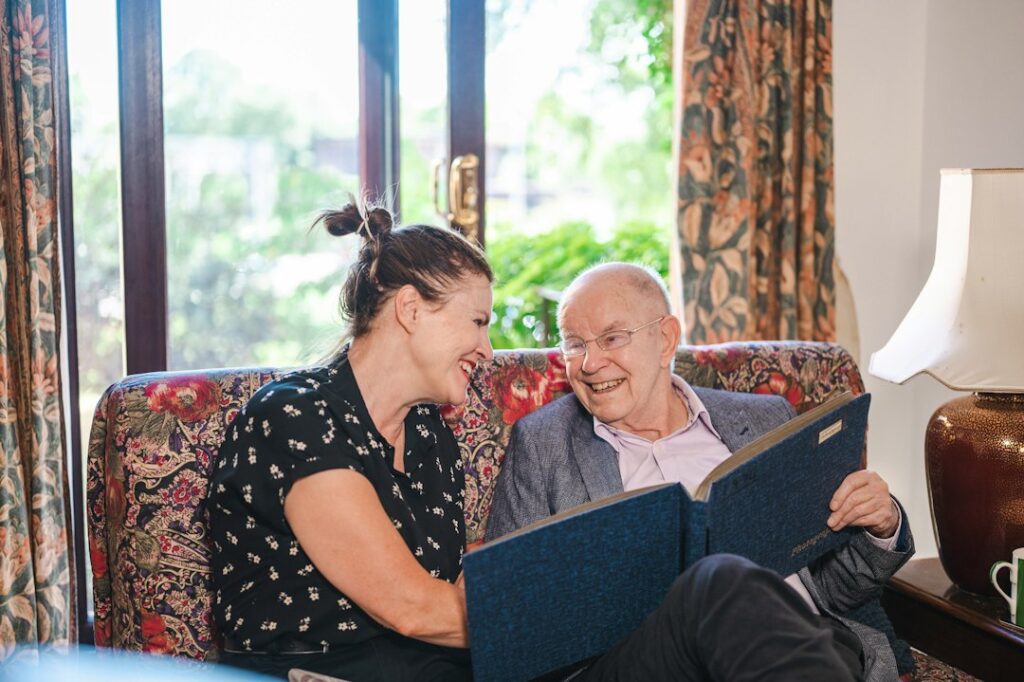
Moving to assisted living can bring relief, worry, sadness, and uncertainty at the same time. Seniors may be leaving a familiar home, changing daily routines, and adjusting to shared spaces or new caregivers. Families can make the transition easier by offering steady support, respecting the older adult’s preferences, and allowing time for adjustment.
Why can assisted living feel difficult at first?
The first few weeks may feel unfamiliar because nearly every part of the day can change. Meals, medication routines, sleeping arrangements, social activities, and household responsibilities may follow a new schedule.
A senior may also grieve the loss of a longtime home, neighborhood routines, pets, personal belongings, or independence. Even when the move was necessary for safety or health reasons, the emotional response can still be strong.
Common early reactions include:
- Irritability or withdrawal
- Trouble sleeping
- Tearfulness or homesickness
- Repeated requests to return home
- Confusion about schedules or surroundings
- Complaints about meals, noise, or unfamiliar routines
- Reluctance to participate in activities
These reactions do not automatically mean the move was a mistake. Adjustment often happens gradually rather than in a straight line.
How can family members prepare before the move?
Preparation should focus on familiarity and control. Seniors tend to adjust more comfortably when they know what to expect and can participate in meaningful decisions.
Before moving, discuss practical details such as:
- What the room or apartment will look like
- Which personal items will be brought
- How meals and medications will be handled
- When family visits may occur
- Which routines the senior hopes to maintain
- What questions or concerns should be raised before moving day
Avoid presenting the move as something that is happening entirely to the older adult. Even if the decision was made because of safety concerns, the senior can often choose clothing, photographs, furniture placement, decorations, and preferred daily activities.
Familiar objects are especially helpful. A favorite chair, quilt, clock, family photographs, books, or music can make a new room feel more personal. Bringing too many possessions may create clutter, so select items that carry emotional meaning or support familiar routines.
What should happen during the first week?
The first week should be calm, predictable, and focused on basic comfort. Families do not need to fill every day with activities or visitors.
A helpful approach is to establish a simple rhythm:
- Visit at a consistent time when possible
- Help unpack a few important items
- Eat a meal together if permitted
- Walk through the building or outdoor area
- Review the daily schedule without overwhelming the senior
- Ask what feels comfortable and what feels difficult
Shorter visits may be better than long, tiring ones. A senior who becomes exhausted or upset after several hours may benefit from a visit that lasts less time but happens more regularly.
Family members should also avoid making promises such as, “You will love it here immediately.” Reassuring statements are more useful when they acknowledge the difficulty: “This is a major change, and it may take time to feel familiar.”
How can seniors maintain independence?
Independence does not end when a person moves into assisted living. It often changes form. A senior may no longer manage every household task but may still choose clothing, decide when to rest, select meals when options are available, or determine how to spend free time.
Families can support independence by asking before helping. Instead of taking over, try questions such as:
- “Would you like help with that?”
- “Which sweater would you prefer?”
- “Do you want to attend the activity or have quiet time?”
- “Would you like me to arrange these items, or would you rather do it?”
Too much assistance can unintentionally make a senior feel incapable. Support should protect safety while preserving as much choice and responsibility as reasonably possible.

How can families encourage social connection without pressure?
Social involvement usually develops more easily when activities match a person’s interests, abilities, and energy level. A senior who dislikes large groups may prefer a quiet conversation, a small game, music, gardening, reading, or a walk.
Encouragement works better than pressure. Families can ask about one activity at a time and offer to accompany the senior initially if that is allowed. A person may need several invitations before feeling ready to participate.
It is also helpful to distinguish between loneliness and simple preference for quiet. Some seniors enjoy solitude and are not distressed by limited social activity. Others may withdraw because they are anxious, depressed, hard of hearing, or unsure how to join a group.
Watch for practical barriers. Hearing difficulty, vision problems, mobility limitations, or language differences can make social events uncomfortable. Addressing those barriers may help more than urging the senior to “be more social.”
What can families do when the senior wants to go home?
Repeated statements about wanting to go home are common during adjustment. Arguing usually increases frustration. A better response is to acknowledge the feeling first.
For example: “You miss your house and the way things used to be.” After that, gently redirect the conversation toward something concrete, such as looking at family photographs, having a snack, taking a walk, or discussing the next visit.
If the senior has memory loss, repeatedly explaining the reasons for the move may not resolve the concern. The same question may return because the emotional need remains, even when the factual explanation has been understood before.
Families should share patterns of distress with the appropriate care staff, particularly if the senior is attempting to leave unsafely, becoming unusually agitated, refusing essential medications, or showing sudden confusion.
How should visits work during winter and changing weather?
Seasonal conditions can affect adjustment for older adults in Duryea. Cold weather, snow, ice, shorter daylight hours, and difficult travel may limit outdoor time and make family visits less predictable.
During colder months, families can help by bringing safe indoor activities, maintaining regular phone or video contact when visits are delayed, and checking whether the senior has suitable clothing for indoor and outdoor transitions. Footwear should fit securely and provide adequate traction.
In warmer weather, hydration, sun protection, and pacing are important. A senior may tire more quickly than expected, especially during outdoor activities or visits in unfamiliar surroundings.
Consistency matters more than duration. A dependable pattern of contact can provide reassurance even when weather or transportation prevents a planned visit.
How long does adjustment usually take?
Many seniors begin to feel more settled within several weeks, but there is no universal timetable. Adjustment may take longer after a sudden move, hospitalization, loss of a spouse, major health change, or diagnosis affecting memory or mood.
Progress may appear in small ways:
- Sleeping more regularly
- Recognizing familiar staff or neighbors
- Showing interest in a preferred activity
- Eating more consistently
- Discussing future plans
- Caring about room decorations or personal belongings
- Asking fewer urgent questions about returning home
Families should avoid judging adjustment by one difficult day. Older adults may have good and bad days, especially when pain, fatigue, infection, medication changes, or memory problems are involved.
When should a concern be raised?
Persistent distress deserves attention, especially when it affects safety, nutrition, sleep, personal care, or participation in daily life. Sudden changes should be reported promptly because they may reflect illness, medication effects, dehydration, depression, or another medical issue rather than ordinary adjustment.
Useful information to share includes when the change began, what was happening beforehand, how often it occurs, and whether anything makes it better or worse. Specific observations are more helpful than general statements such as “something seems wrong.”
A successful transition does not require a senior to enjoy every part of assisted living. The goal is a sense of safety, dignity, familiarity, and meaningful choice. Patient communication, personal belongings, predictable visits, and careful attention to changing needs can help a new residence gradually become a place that feels manageable and secure.
